Understanding How Rate Changes Influence Financial Decisions
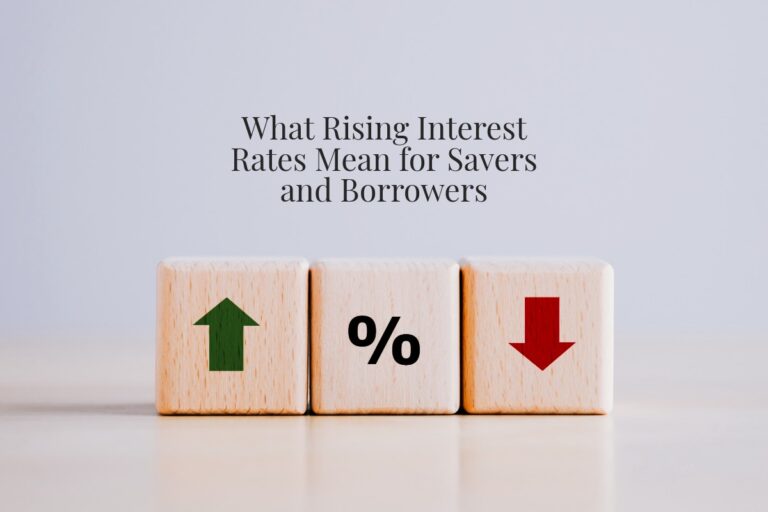
Interest rates are a key part of the economic environment. When rates rise, they can influence everything from savings accounts to mortgages and credit cards. While these changes may seem technical, they have real effects on everyday financial decisions. Understanding the potential for rising interest impact on both savers and borrowers can help you make thoughtful adjustments to your financial plan and stay aligned with your goals.
Why Interest Rates Change
Interest rates are often adjusted by central banks to help manage inflation and support economic stability. When inflation rises, policymakers may increase rates to help moderate spending. When economic activity slows, rates may be lowered to encourage borrowing and investment.
These changes ripple through the financial system, influencing the cost of borrowing and the return on savings.
How Rising Rates Affect Savers
For savers, rising interest rates can lead to higher yields on certain types of accounts. Savings accounts, certificates of deposit (CDs), and money market accounts may offer increased interest compared to lower-rate environments.
This can make cash savings more productive over time. However, it is still important to consider inflation. Even when interest rates rise, the purchasing power of savings depends on how those rates compare to overall price increases.
What It Means for Borrowers
For borrowers, rising interest rates typically mean higher costs. Loans with variable interest rates, such as adjustable-rate mortgages or certain credit lines, may see payments increase over time.
New loans may also come with higher rates, which can affect affordability for major purchases such as homes or vehicles.
Understanding the terms of your debt, including whether rates are fixed or variable, can help you anticipate how changes may affect your financial obligations.
The Impact on Mortgages and Housing
Interest rates play a significant role in the housing market. Higher rates can increase monthly mortgage payments, even if home prices remain steady.
For those considering buying or refinancing, rate changes may influence timing and affordability. For existing homeowners with fixed-rate mortgages, rising rates may have less immediate impact on current payments.
Evaluating your housing plans in the context of rate changes can help you make decisions that align with your financial situation.
Effects on Investments and Markets
Interest rates can also influence investment performance. For example:
- Bond prices often move inversely to interest rates
- Higher rates may affect company borrowing costs and profitability
- Market volatility may increase as investors adjust expectations
These relationships are complex and can vary over time. Maintaining a diversified portfolio can help manage exposure to different economic conditions.
Balancing Saving and Borrowing Decisions
Rising interest rates can create both opportunities and challenges. On one hand, savers may benefit from higher yields. On the other hand, borrowers may face increased costs.
Balancing these factors involves understanding your overall financial picture. You might consider:
- Reviewing savings strategies to take advantage of available rates
- Evaluating debt to understand how interest changes may affect payments
- Prioritizing financial goals based on your current needs and timeline
Thoughtful planning helps you adapt without overreacting to short-term changes.
Staying Flexible as Conditions Change
Interest rate environments can shift over time. What matters most is maintaining a flexible approach that allows you to adjust as conditions evolve.
Regular financial reviews can help you stay informed and ensure that your plan continues to reflect your goals, income, and risk tolerance.
What Rising Interest Rates Mean: Final Thoughts
Rising interest rates are a normal part of the economic cycle. While they can influence both saving and borrowing, they are just one factor within a broader financial plan.
By understanding how rate changes affect different areas of your finances, you can make informed decisions and maintain balance in your approach.
Illuminated Advisors is the original creator of the content shared herein. I have been granted a license in perpetuity to publish this article on my website’s blog and share its contents on social media platforms. I have no right to distribute the articles, or any other content provided to me, or my Firm, by Illuminated Advisors in a printed or otherwise non-digital format. I am not permitted to use the content provided to me or my firm by Illuminated Advisors in videos, audio publications, or in books of any kind.