Understanding the Human Side of Money: Behavioral Finance Basics
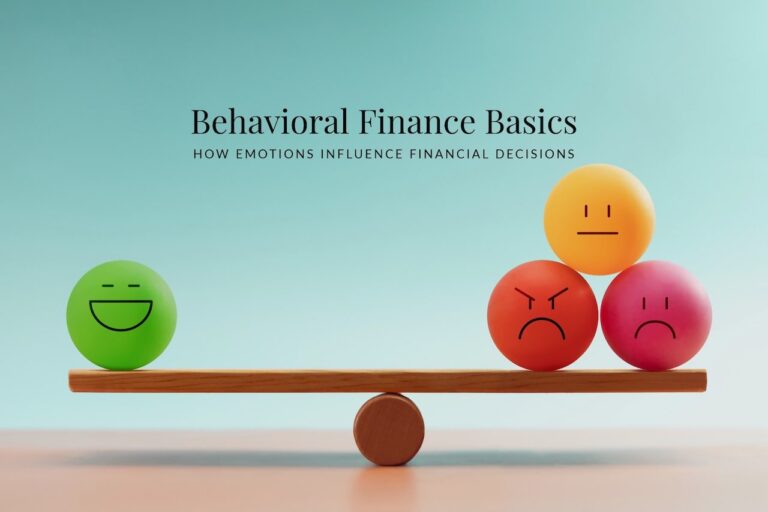
Financial decisions are rarely made in a vacuum. Even with careful research, our choices are shaped by emotion, experience, and perception. Behavioral finance is a field that studies how psychology influences money management, and helps explain why people sometimes act differently than pure logic would suggest.
Recognizing the connection between emotion and decision-making can help you respond more calmly to financial challenges and make choices that reflect your long-term goals.
What Is Behavioral Finance?
Behavioral finance examines how cognitive biases and emotional reactions affect the way we save, spend, and invest. Instead of assuming people always act rationally, it acknowledges that fear, optimism, and social influence often play powerful roles in financial behavior.
Understanding these patterns can make them easier to recognize. Awareness can help you pause, reassess, and make more intentional choices when faced with uncertainty.
Common Emotional Biases in Financial Decisions
Several behavioral tendencies can influence money management. Here are a few of the most common:
- Loss Aversion: Many people feel the pain of loss more strongly than the satisfaction of gain. This can lead to overly cautious decisions or hesitation to sell investments that have declined in value.
- Overconfidence: Believing we can predict market outcomes or “beat the system” can result in taking on more risk than intended.
- Herd Behavior: Following trends or mimicking others’ financial moves can create comfort in the short term but may not align with personal goals.
- Anchoring: Relying too heavily on an initial number—such as the original purchase price of an investment—can cloud judgment when evaluating new information.
- Recency Bias: Giving more weight to recent events than long-term data can cause emotional reactions during periods of volatility.
Recognizing these patterns helps create distance between emotional impulses and financial actions.
How Emotions Affect Everyday Money Choices
Emotional decision-making doesn’t only appear in investing. It can influence budgeting, saving, and even charitable giving. For example:
- Excitement during good economic times may lead to overspending or lifestyle inflation.
- Stress during uncertainty may prompt holding excessive cash or avoiding necessary financial steps.
- Guilt or social pressure may influence spending choices that don’t fit personal priorities.
Bringing attention to these habits allows you to respond more intentionally and maintain balance in both short- and long-term decisions.
Strategies to Support Rational Decision-Making
While emotions can’t be removed from financial life, they can be managed. Consider these approaches:
- Create Structure: Establish automatic savings or scheduled reviews to reduce impulsive decision-making.
- Define Goals Clearly: Having written goals provides perspective when emotions run high.
- Seek Perspective: Discussing major financial choices with a trusted professional or family member can add objectivity.
- Limit Noise: Continuous exposure to financial headlines can heighten anxiety. Setting boundaries around media consumption may help.
- Reflect on Motivations: Before making a change, ask which emotion is driving the decision, and whether it aligns with your long-term plan.
These small practices encourage awareness, helping emotions inform decisions without controlling them.
The Role of Mindset in Long-Term Planning
Behavioral finance emphasizes that consistency matters more than perfection. Adopting a mindset of adaptability means recognizing that feelings fluctuate while goals remain steady.
Regular check-ins on spending, saving, and investing decisions create opportunities to notice emotional triggers early. Over time, this reflection builds habits that support more deliberate, measured financial behavior.
Understanding Logical and Emotional Financial Influences
Money decisions are both logical and emotional. By learning how emotions influence financial choices, you can better understand your reactions to market changes, news cycles, or personal milestones.
Awareness of behavioral patterns doesn’t require eliminating emotion; it simply helps you make more intentional decisions rooted in perspective rather than impulse. That balance is what turns financial information into long-term wisdom.
Illuminated Advisors is the original creator of the content shared herein. I have been granted a license in perpetuity to publish this article on my website’s blog and share its contents on social media platforms. I have no right to distribute the articles, or any other content provided to me, or my Firm, by Illuminated Advisors in a printed or otherwise non-digital format. I am not permitted to use the content provided to me or my firm by Illuminated Advisors in videos, audio publications, or in books of any kind.